
 One of my main goals as an Ayurvedic Practitioner is to provide realistic guidelines that are accessible for each individual. The ancient wisdom of Ayurveda can be easy to absorb and incorporate at times, but can undoubtedly feel complicated and overwhelming other times. As you begin a new journey with Ayurveda, adopting a basic Ayurvedic diet is a great start. However, the long list of “Ayurvedic food rules” can sometimes create more stress, confusion, and aversion than necessary. So here are some helpful tips to eat more “Ayurvedically” in a slow, steady, and sustainable way!
A few dietary guidelines many individuals find difficult include always eating fresh meals, never eating leftovers, avoiding raw food, avoiding smoothies, and never using canned or frozen foods. These guidelines are undoubtedly crucial for eating healthy, staying in balance, and healing from disorder; however, you must also be realistic to sustain a healthy diet without becoming resentful or burnt out. Therefore, it may be helpful to know that in Ayurveda, there are almost always ways to make modifications to fit your needs.
When it comes to Ayurvedic dietary guidelines, it is important to place them on a spectrum rather than looking at them as black and white. For example, if your options are to either eat a home-cooked meal using canned beans or order a pizza, by all means opt for the canned beans. If you can either cook a large pot of oatmeal to eat off of throughout the week or eat cold, processed cereal every morning, then the reheated oatmeal will definitely be healthier in the big picture. If you love your raw smoothies and are not ready to part with them, adding some warm, digestive spices such as ginger, turmeric, and cinnamon can often make them easier to digest.
Read more Ayurvedic tips on making healthy smoothies here!
In the end, it is definitely recommended to follow as many of these dietary guidelines as possible, but only while practicing compassion and keeping realistic expectations. Cooking three fresh meals each day is often not a viable option for most individuals; therefore, at times we must create healthy compromises that will work for our daily needs.
Organizing for Quicker Meals
Keeping your kitchen well-stocked and organized will provide ease and efficiency as you begin your journey into a healthy Ayurvedic diet plan. Here are some useful tips for getting started:
1. Create a weekly meal plan for your breakfast, lunches, and dinners. This will ensure you have the proper ingredients and give you direction during your busy workweeks. Don’t forget to write each meal down in your calendar!
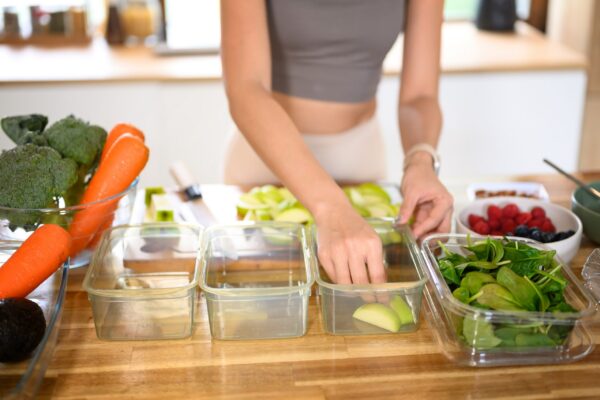
2. Chop up the vegetables needed for your weekly meals to reduce prep time. After you know which meals you will be making, chopping up the necessary vegetables and storing them in an airtight container will make your cooking time much quicker, easier, and less messy.
3. Make a large batch of food to eat off of throughout your week. Although leftovers are not the most ideal option, they are also not the worst. Eating meals you have cooked using fresh, organic ingredients is by far a better option than skipping meals, eating out, or eating pre-packaged and processed food.
4. Keep commonly used ingredients well-stocked. Accessibility is a must! Make sure to keep a well stock of your basic, shelf-stable ingredients such as rice, quinoa, oats, legumes, spices, and healthy oils. I personally buy these in bulk to ensure a constant supply.
5. Make a large batch of a spice blend to keep at hand. Ayurvedic spices can make any meal more digestible and healing, but it can get time-consuming to add them all separately to each meal. To avoid missing out on these flavorful and health-promoting ingredients, keep your favorite Ayurvedic spice blend(s) at hand for a quick pinch anytime— I seriously add them to everything!
Discover our full line of Ayurvedic Spice Blends!
Try our DIY Tridoshic Spice Blend Recipe!
Saving Time
Another way to save time as you begin planning your meal schedule is to use some pre-made ingredients or pre-make them yourself. This may not be ideal for eating 100% freshly prepared foods, but as mentioned above, we must be realistic and make healthy compromises at times to meet our personal needs. With this in mind, using already made ingredients such as canned beans, store-bought hummus, or frozen vegetables once in a while can save you a lot of time and help you get through your workweek while still keeping up with healthy home-cooked meals.
If you are looking to say goodbye to canned goods and processed foods—that is wonderful! A great time-saving tip is to pre-make a few necessary ingredients yourself, stocking up for the week. For example, instead of canned black beans, cook a large batch of black beans to have at hand for the week (this is super easy in a slow cooker or pressure cooker!). Instead of store-bought hummus, make a large batch of homemade hummus for an instant healthy snack. Instead of canned or frozen veggies, pre-cut your favorite vegetables and store them in an airtight container for the week. Simple tips like this can be essential for sustaining an Ayurvedic-based diet, especially for those who work full-time or have families to tend to.
Leftovers
According to Ayurveda, leftovers are said to be devoid of Prana (lifeforce), lacking in nutrients, and increase Vata (gas, bloating, constipation, etc) with excessive consumption. Although this definitely holds truth, it is important to acknowledge that this does not have to be an all-or-nothing matter. If it is between having healthy leftovers for lunch or getting fast food, then I think we can guess the healthier option!
Instead of aiming for perfection, making healthy modifications can keep us on the right track without the added stress. Cooking fresh meals is always best, but eating leftovers from a healthy home-cooked meal is much better than eating processed foods, frozen meals, or eating out multiple times a week. Some reheating tips are to add a splash of water to reduce any dryness the food has taken on, reheat at a very low temperature, add in fresh ghee and spices to liven up any dullness that has come about, and avoid reheating your food more than once. When possible, it is always best to eat food within 2 days of cooking.
Appliances
If you are excited about cooking but are lacking in time, having some time-saving appliances can be extremely helpful in times of need. Here are some appliances that help me save time and effort in my kitchen.
- Pressure cooker (or Instant Pot) for dals, legumes, lentils, and grains
- Slow cooker for broths, soups, and stews (as well as legumes and lentils!)
- Rice cooker for basmati rice, brown rice, quinoa, and other grains
- High-speed blender for homemade nut milks, smoothies, shakes, and drinks
- Electric spice grinder for grinding spices or making spice blends
- Immersion blender for quick and easy blending (and less mess)
*All Amazon links are through an affiliate program; however, the recommended products come from brands I stand by and have in my kitchen.
Keeping Things Simple
As you embark on your journey into an Ayurvedic diet, it is important to keep things as simple as possible to avoid feeling overwhelmed or giving up completely. The time-saving recommendations above will be a great start. Here are a few other tips on how you can create a sustaining healthy diet plan in your everyday life.
1. Incorporate healthy home-cooked meals by utilizing the ones that are easier to make. Meals that are quicker to make and use fewer ingredients and less cookware are great places to begin.
2. Be prepared! Making sure you have the necessary ingredients for your weekly meal plan is essential! Prepping ingredients for your workweek (such as pre-chopping vegetables or pre-cooking grains or beans) will reduce cooking time and motivate you to follow through with your home cooking.
3. Avoid making too many changes too soon. It is important to make a smooth, slow, and steady transition into these dietary changes. Establish simple mini-goals as you incorporate a new way of eating.
4. Keep reminders around your kitchen. Whether you are posting charts on your refrigerator (such as a food combining chart or dosha food chart) or a written reminder for your week’s meal plan, keeping your goals visual is an easy way to stay focused and on a clear path.
5. Instead of making excuses—get creative! If there is a useful guideline that conflicts with your schedule, get creative and find a happy, healthy compromise to make it work. For example, if you really want to avoid eating too late but you work until 9 pm each night, then bring a healthy dinner to work and eat it by 6 pm; if you find yourself hungry when you get home, a cup of herbal tea or golden milk can often satiate you until bedtime.
6. Be more strict on guidelines that seem the most vital. Allowing some wiggle room can be helpful, but if certain guidelines are critical to the success of your healthcare goals, being strict may be necessary. For example, if eating fruit with other foods creates extreme gas, then this food combination should be strictly avoided; if skipping breakfast brings on anxiety and energy crashes, then make sure to eat a healthy breakfast each morning—no ifs or buts!
Keep Reading:
- Get Back to the Basics: 9 Simple Guidelines for an Ayurvedic Diet
- The 6 Most Essential Dietary Practices for Better Health
- Top 10 Ayurvedic Food Rules
Explore our healthy Ayurvedic Recipes here!
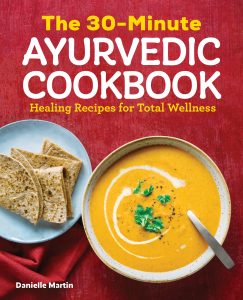
Discover simple 30-minute recipes in my Ayurvedic Cookbook!
Stock up on our freshly blended Ayurvedic Spice Blends!

Get all of your kitchari needs here!